
(only have a minute? jump to final thoughts)
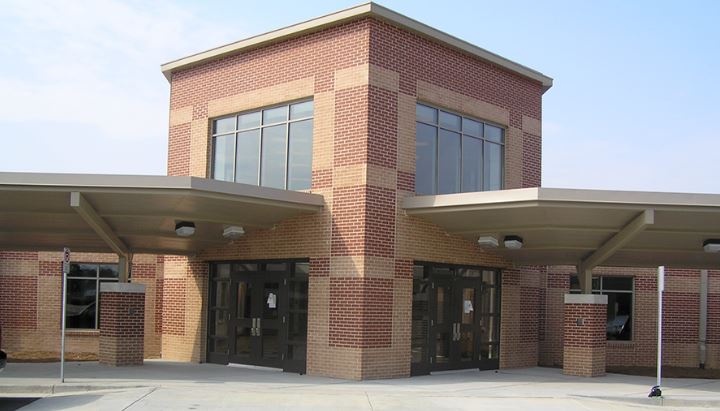
Lovin Elementary’s green ambitions started small – just your basic paper and plastic recycling. But one thing led to another, and now this modest brick public school is a towering model of sustainability.
The school’s STEM lead, Gerin Hennebaul, says Lovin’s journey to the extraordinary started in earnest in 2018 with a kickstart from a local organization.
“They came to us. Gwinnett Clean and Beautiful offered us a grant from the World Wildlife Fund called Food Waste Warriors,” Mrs. Hennebaul says.
The Food Waste Warriors program starts with an audit to find out how much food is wasted in the school cafeteria in a given day. Mrs. Hennebaul says the experience was eye-opening.
“Lovin threw away 589 pounds of food in just one lunch period … we realized of those 589 pounds, 74 pounds were fruit and vegetable waste. And 120 pounds were foods called recoverables – those are foods that are still sealed in their packages and have not been opened.”
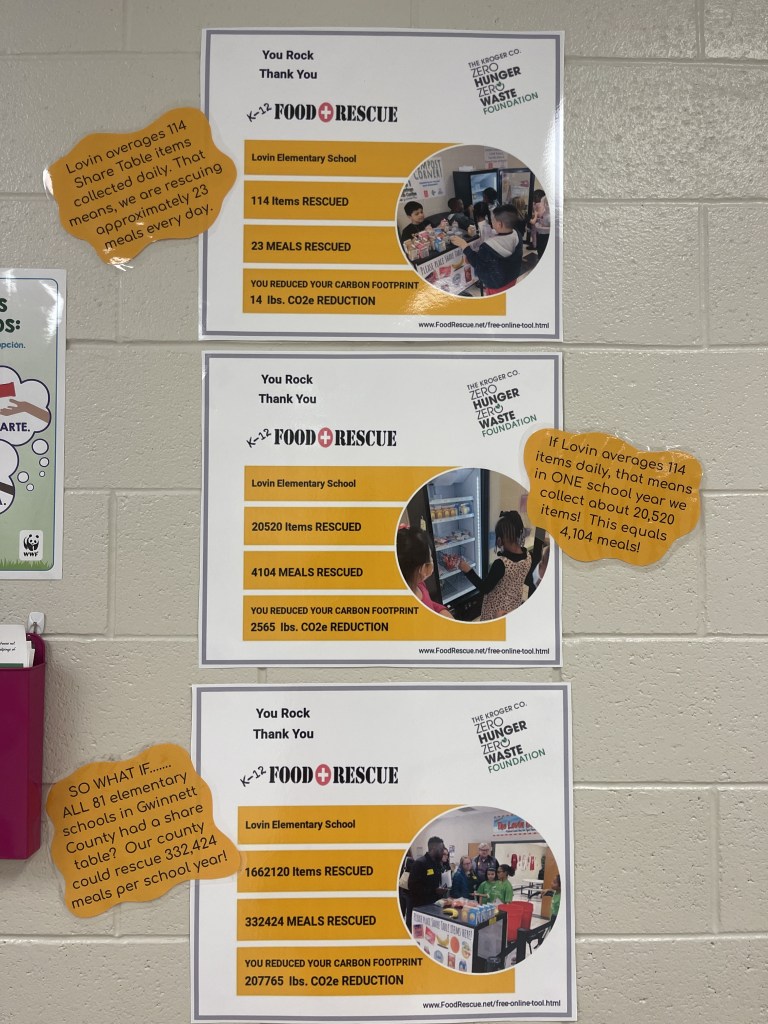
Since a lot of the waste was perfectly good, sealed food – like cartons of milk or packs of apples and carrots – it sparked a practical idea: a share table and community refrigerator. Instead of throwing away unwanted, still-edible food, the kids now use it to stock a share station. Any student who needs a snack or forgot their lunch is welcome to take what they need.
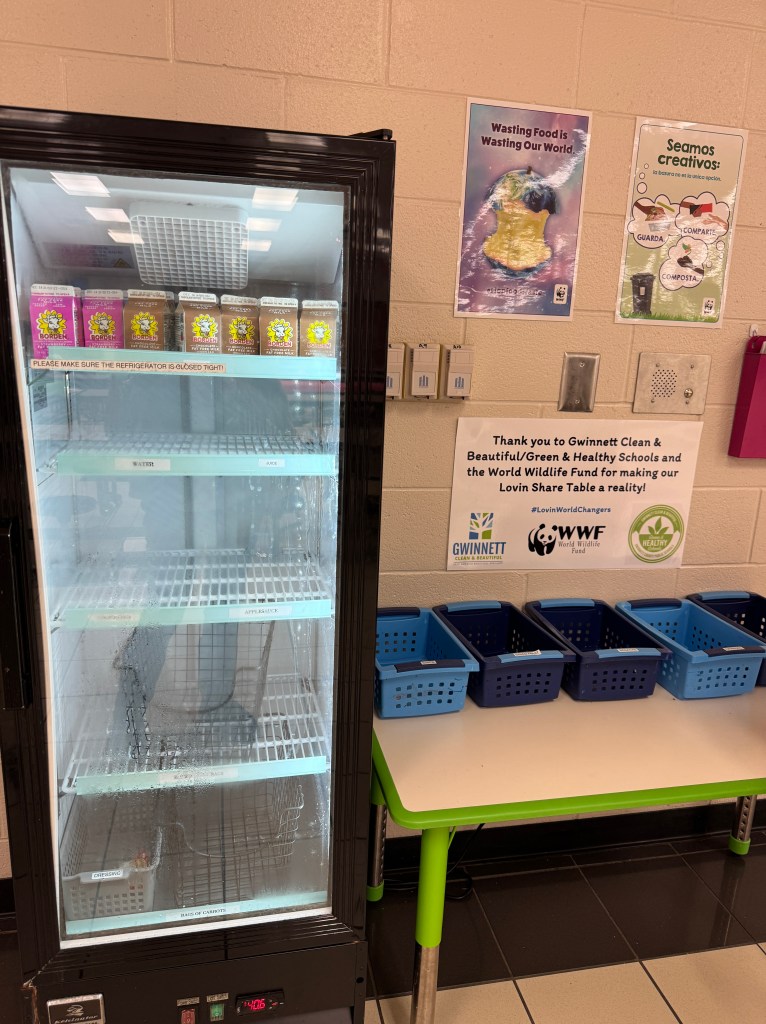
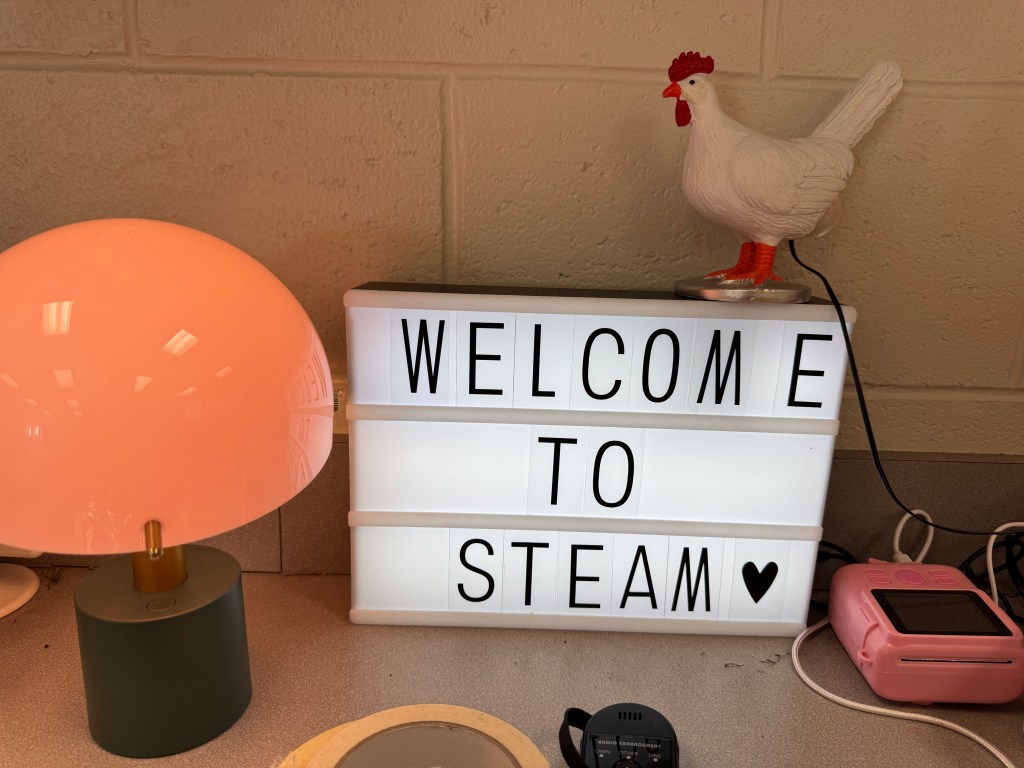
In addition, partially-eaten fruit and vegetables started going to a designated chicken-feed bucket (there’s an adorable chicken coop just outside the lunchroom, which was built during a previous student-led project).
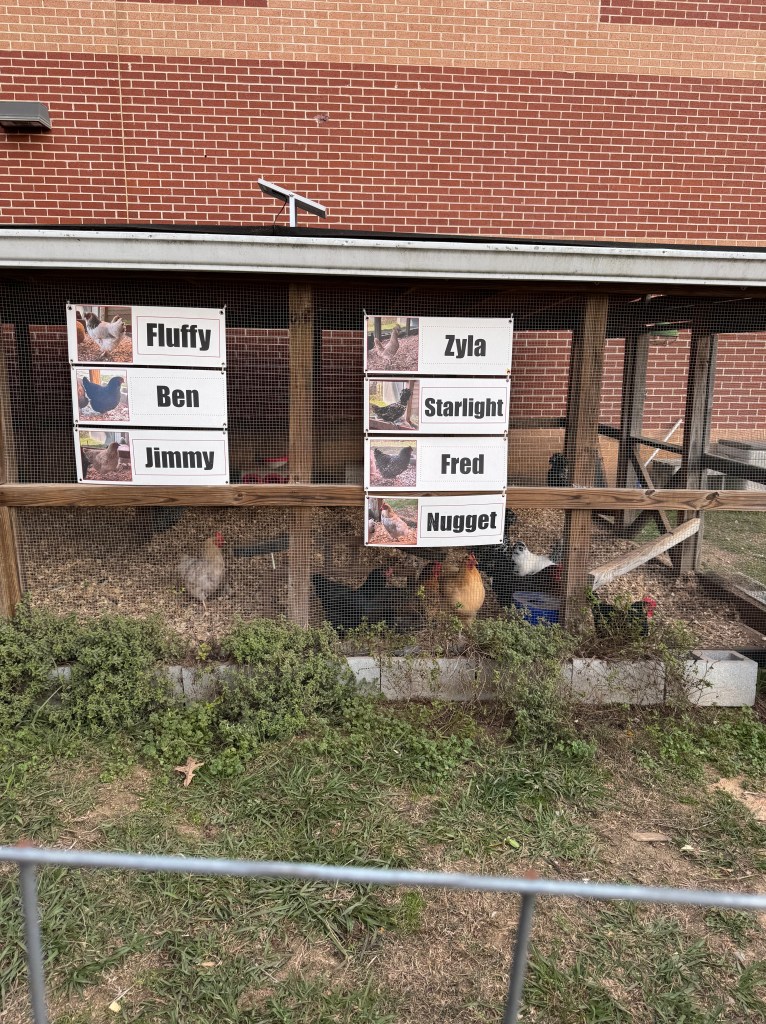
A year later, a new audit found that Lovin’s food waste reduction effort – including the share table and chicken coop diversion – was saving about 150 pounds of food per day from being thrown into landfill-bound trash bins. That’s more than a 25% reduction in food waste. But the school didn’t stop there.
Along came another grant offer. This time for composting, and it was big – $300,000 from Food Well Alliance with support from the Arthur Blank Foundation and the Atlanta Falcons Youth Fund.
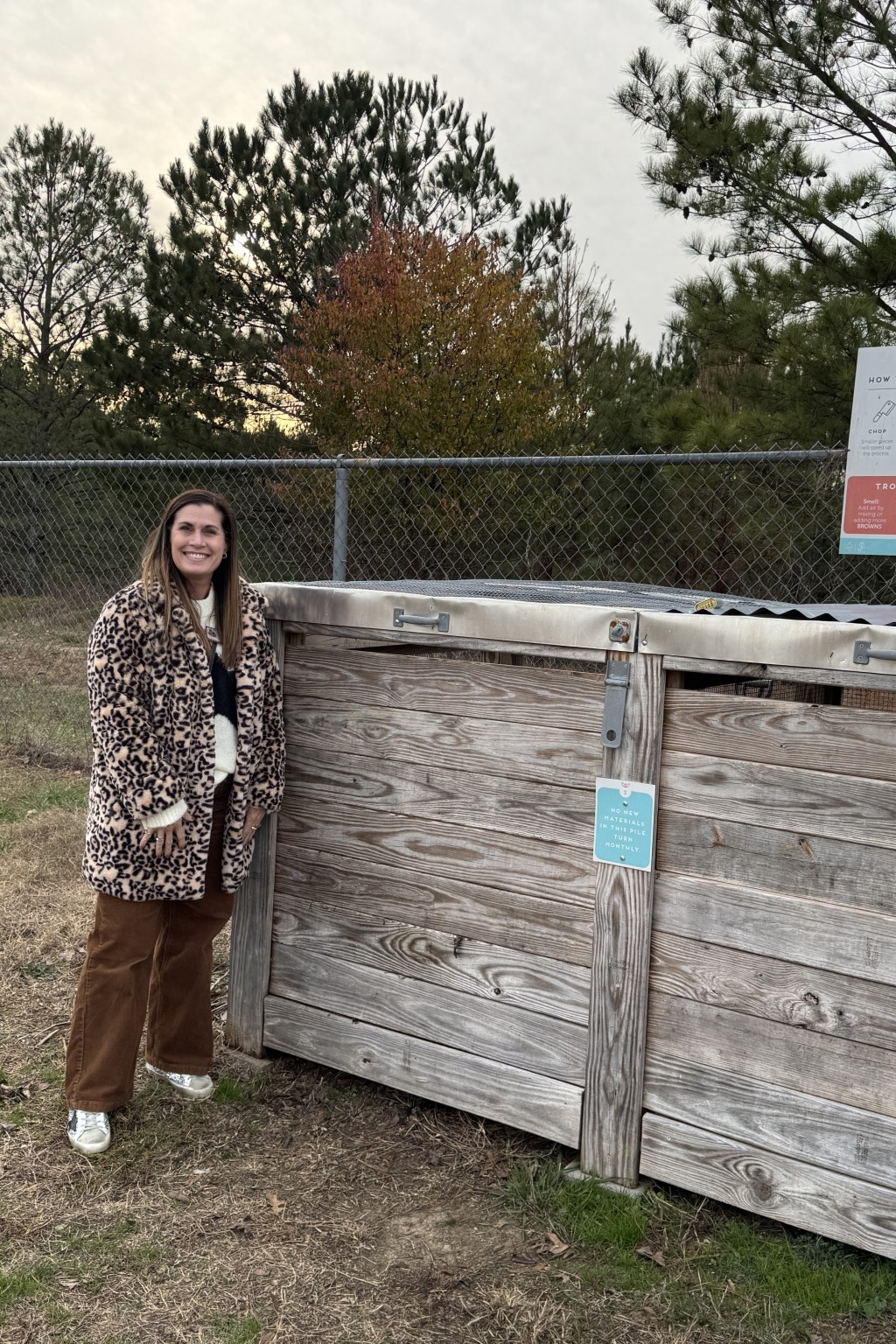
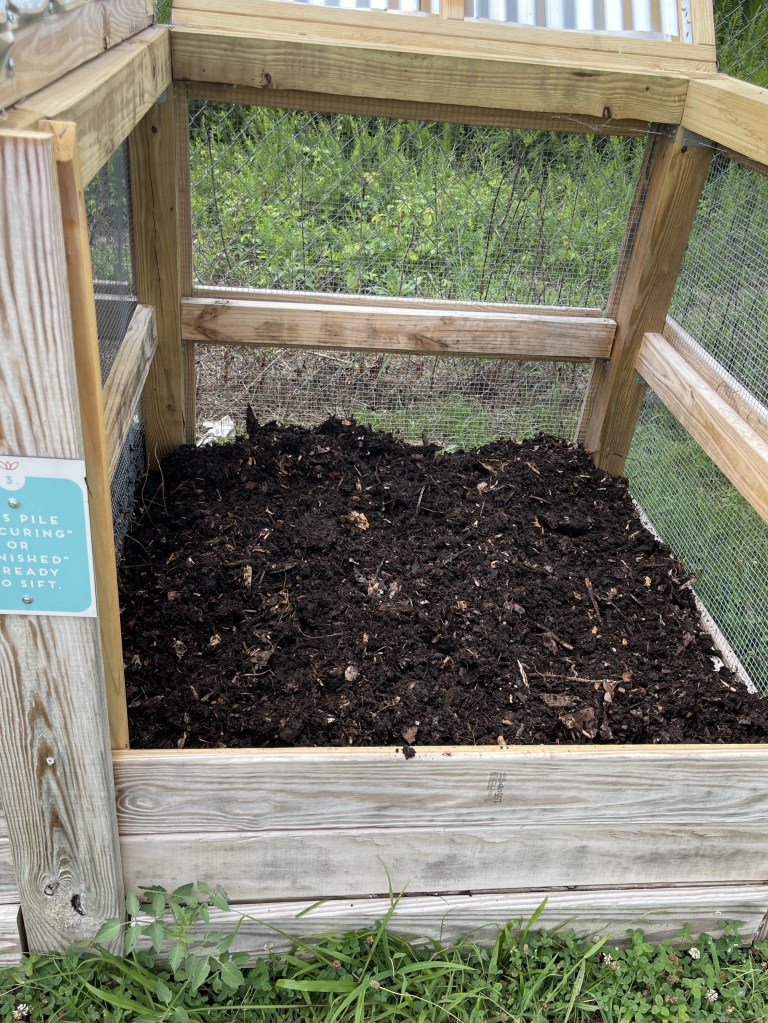
Food Well Alliance built a large compost bin on the edge of the playground. Mrs. Hennebaul said there was a definite learning curve for both the kids and the teachers, but enthusiasm was high.
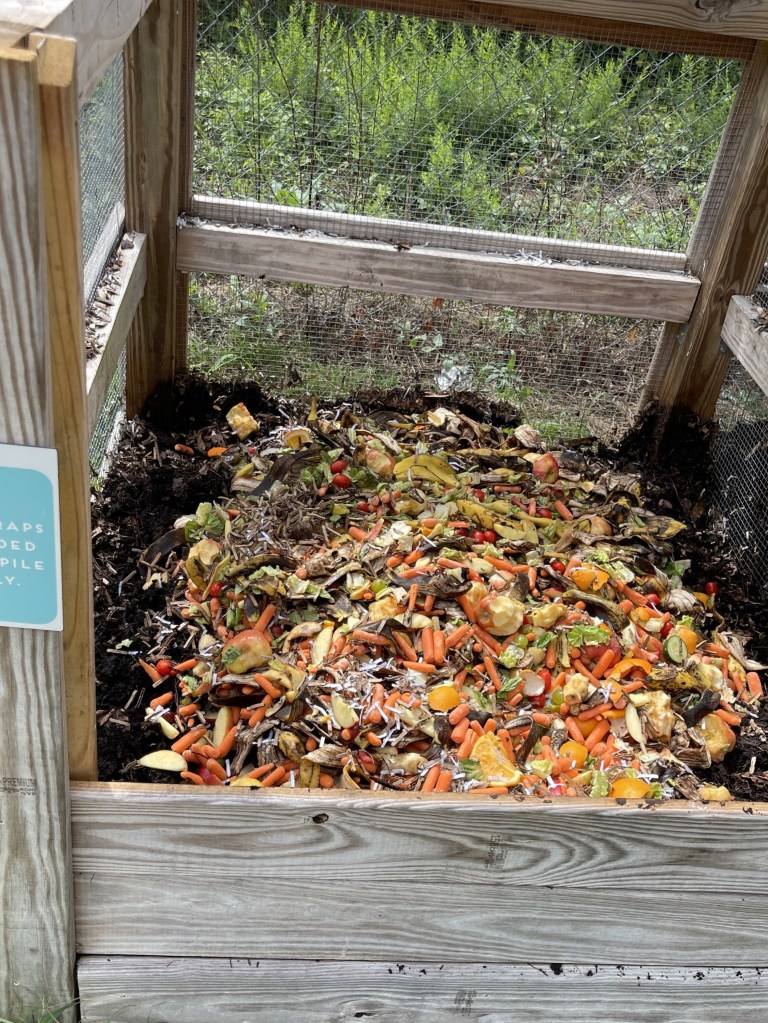
“We had UGA extension come out. They helped me with the lessons,” she says. “Because I didn’t know anything about composting. I didn’t know what could go in there.”
Everyone learned together. They started with the oldest students, collecting food scraps at each fifth grade lunch table. There were some wrinkles to iron out at first, like making sure the buckets didn’t get too heavy, but the students stayed engaged every step of the way. Gradually, the program expanded to the entire school.
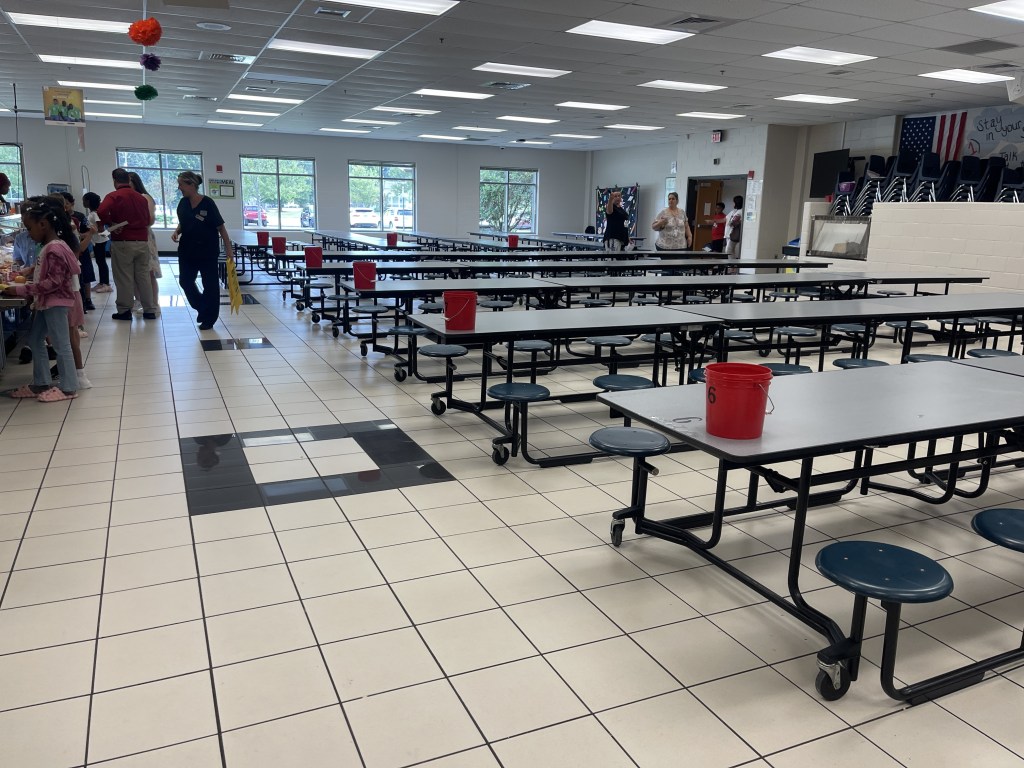
Now, red buckets at the end of each cafeteria table are the norm. Food scraps are collected by the students during lunch and deposited in the compost bins (Lovin now has three!) out back. Time is designated to maintain the bins and turn the compost, which is later used in the school’s STEM garden.
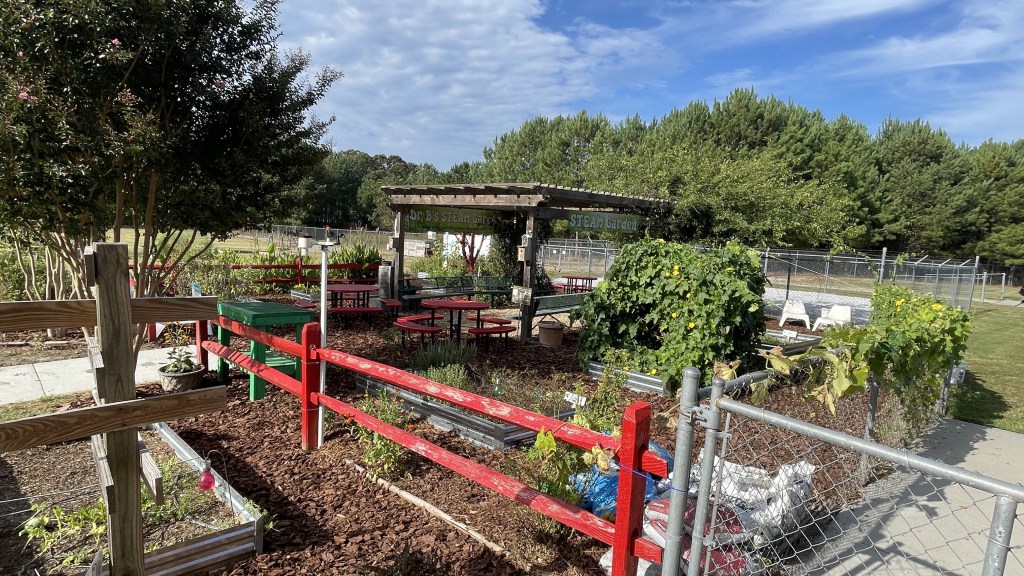
Mrs. Hennebaul maintains a seed library to help families plant their own gardens at home. Some students have won small compost kits as prizes.
The hope is that this experience is also planting seeds of values, habits and a lifetime of environmental mindfulness. “We want these kids to take this to their homes,” Mrs. Hennebaul says, “to continue doing what they’re doing here.”
Final thoughts:
We hear so often about limited budgets and public school teachers buying their own supplies. That is an unfortunate reality. But Lovin Elementary School’s composting program serves as an inspiring example that despite the challenges of public education, even lofty ideas can come to fruition. Patience, perseverance, a clear list of priorities and community contacts seem to be key ingredients for success. Gerin Hennebaul put composting on her list of personal goals for the school’s STEM programs years before the composting grant was offered. It didn’t happen immediately, but she kept pursuing projects that combined science with environmental stewardship, and eventually a partnership with a local environmental advocacy group led to a composting grant. With persistence and determination, the resources appeared – showing that if you can conceive it, you really can achieve it.
LISTEN TO GREEN GALS EPISODE 3 HERE:
 the green gals podcast
Leave a comment